
Do not fall for these myths if you want to survive outdoors
The stories of the wilderness have crept into various facets of our modern way of life. From television shows, to cartoons, and even movies, we might think we’ve learned a thing or two about surviving in the wild. But are these “survival techniques” actually helpful? Not always. Here are some of the most common outdoor survival myths that are retold so regularly, you might already believe them to be true.
MYTHS ABOUT SHELTER
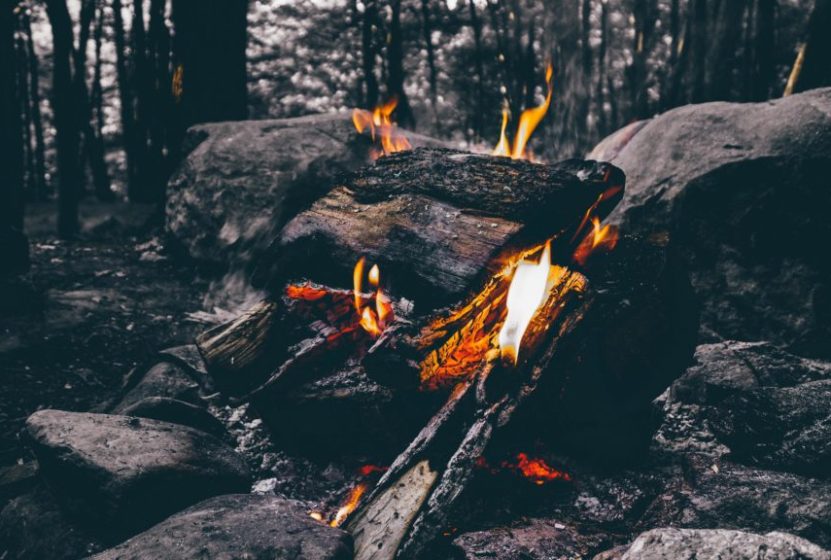
1. Build a fire in a cave for warmth
Heat causes rock to expand, which can lead to them breaking. Expansion of rock in a cave you’re sleeping in can cause a cave-in. Cavemen might not have known this, but now you do.
 Unsafe
2. Space blankets don’t work
Sure, the mylar-coated emergency blankets don’t look like they could warm you up. How can something as thin as a trash bag save your life? The answer is in the aluminum coating, which is thermal-reflective. This means that it can redirect infrared energy, which lets it reflect heat. When in shock or succumbed to exposure, you get cold because the heat you were radiating is lost to the air and not replaced. Having a space blanket wrapped around you keeps the moisture in your clothes from evaporating (evaporation causes cooling), which also makes it so that you won’t lose as much heat to the air moving around you (which limits convective heat loss). Wrapping yourself up in this sheet that looks like tin foil will help you stay warm. These lifesaving blankets pack down small and are relatively cheap, so there’s no reason to be out in the bush without carrying a few of them.
 Safe
Safe
3. A big fire beats a shelter
Speaking of staying warm, fires made from large logs typically keep people alive in the cold, but a large fire is not an excuse to skip building a shelter. Your big fire can get rained on or snuffed out in the wind. You don’t ever want to sleep out in the open if you can help it. It’s always a solid investment to take the time to build a shelter. It will provide more protection from the elements.
Unsafe
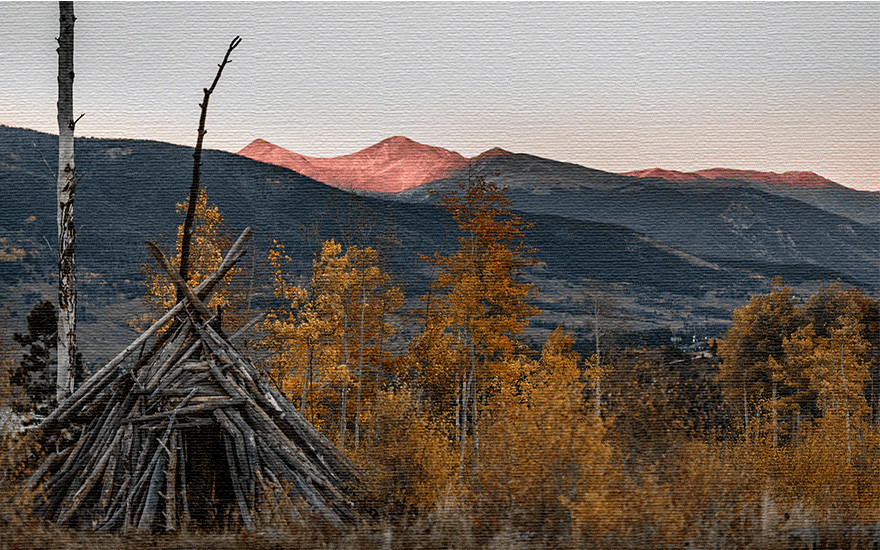
Lots of people in survival shows use lean-tos, quite honestly, because they look cool. Using this type of shelter for a woodshed or workshop is fine, however it shouldn’t be your sleeping shelter. Something with walls, a roof, and a small doorway to stay warm and dry will provide you with the appropriate level of protection.
Unsafe
5. Lost outdoors? Find food first
When we hear of a camping trip gone bad, many of us think of one thing first when thinking of how to survive the situation- find food. Finding food should not be your first priority if you’re lost outdoors and you want to survive. From a 2009 study, it turns out humans can survive up to 2 months without food, and anywhere from 8 to 21 days without food and water. This varies by person and the surroundings they are in, however water and shelter will always be more important than food in these situations. In more harsh conditions, it’s possible you might not last three hours without shelter, and maybe three days without any water.
Unsafe
MYTHS ABOUT HYDRATION
6. Eat snow, it has water
Everyone knows not to eat yellow snow, but what about white snow? That’s also a bad idea. All snow contains cold air and frozen water, at an air-to-water ratio of about 9:1. This means you’d need to eat about 10 gallons of snow to produce 1 gallon of water in your stomach. Have you heard of brain freeze? This is core freeze. Hypothermia results from your core temperature being too low for an extended amount of time. Always melt the snow you want to drink, don’t eat it raw.
Unsafe
7. Drink your own pee to stay hydrated
This question regularly comes up in wilderness survival classes: “Can we drink urine?” The response: “Of course you could, but why would you want to?” Urine is the last step in our body’s attempt to eliminate waste, which means it is full of waste products. If conditions were bad enough they forced you to consider urine as something to drink, you are most likely severely dehydrated. Urine in a dehydrated person should not, under any circumstances, be reintroduced into the human body. Urine is handy in other ways: You can use it to dampen clothing, which gives evaporative cooling in hot climates. Pee is not safe or smart to drink.
Unsafe

This is an old survival trick that has been practiced around the globe. People say that sucking on a stone causes saliva to flow. If that’s the case, you wouldn’t be sucking water from the stone, which means there is no benefit to it. Additionally, it is possible to suck on the stone too hard and inhale it (if it were small enough), which could cause you to choke.
Unsafe
9. Survive by drinking raw blood
There is water in blood, but not a lot. Some traditional cattle cultures in Africa, to this day, drink cattle blood with milk, however this is done for the mineral and protein content rather than hydration. It’s just too risky to consume animal blood, even if it has helped to keep survivors alive. When drinking raw blood, you’re also consuming the bacteria, viruses, and other microorganisms that can cause diseases.
Unsafe
MYTHS ABOUT THE COLD
10. Rub frostbitten skin
Do Not. Ever. When ice crystals form in your skin and other tissues, you get frostbite. Rubbing frostbitten skin causes more damage, as the ice crystals cut new cells. Instead of rubbing their skin, treat the person with painkillers, and slowly rewarm the tissue- frostbite hurts!
Unsafe
Rewarming is mainly the way to treat someone whose core temperature has decreased far below the norm of 98.6 degrees. Dipping someone in a jacuzzi will cause agonizing pain, it can even trigger a heart attack. Alternatively, place hot water bottles under both armpits, or use skin-to-skin rewarming. Never use a high-heat source to treat a hypothermic person.
Unsafe
12. Let a hypothermic person sleep
Keep the person awake as you warm them up. An exposure victim gets drowsy after the shivering, confusion, slurred speech, and clumsiness of hypothermia have manifested. Watch out for that serious warning sign, as sleep can lead to death.
Unsafe
13. Don’t feed a hypothermic person
The treatment for hypothermia and normal shock are different – feeding someone who may be going into shock is a bad idea, as they can vomit and choke while unconscious. However, in cases of mild to moderate hypothermia, high-calorie foods can be given in small, repeated doses. This creates metabolic heat in the person and helps them restore their own heat-generating ability.
Safe
14. Warm up by drinking liquor
Remember the cartoon showing a Saint Bernard dog with a cask of brandy around his neck, using it to revive avalanche victims? Liquor is the last drink you need when trying to survive in cold weather. Despite feeling warmer, alcohol dilates skin-surface blood vessels and capillaries, which will decrease your core temperature even faster. Instead, drink hot cocoa or tea.
Unsafe
15. All base layers work equally well
Simply, this is not true. Cotton could lead to hypothermia if you rely on it as your primary base layer in cold weather. It’s perfect for wearing around the house, and is better suited in hot, dry climates. But once cotton gets wet, its insulating properties are lost. Before you even start sweating, skin moisture soaks into the cotton fibers and starts to cool your body through conduction. The cotton fibers can hold up to 27 times their weight in water, and then store that moisture up to 8 times longer than synthetics or wool. Not only does this leave you feeling damp – it steals vital heat from your core. If it’s cold enough for a onesie, then it’s too cold for cotton.
Unsafe
MYTHS ABOUT WILD ANIMALS
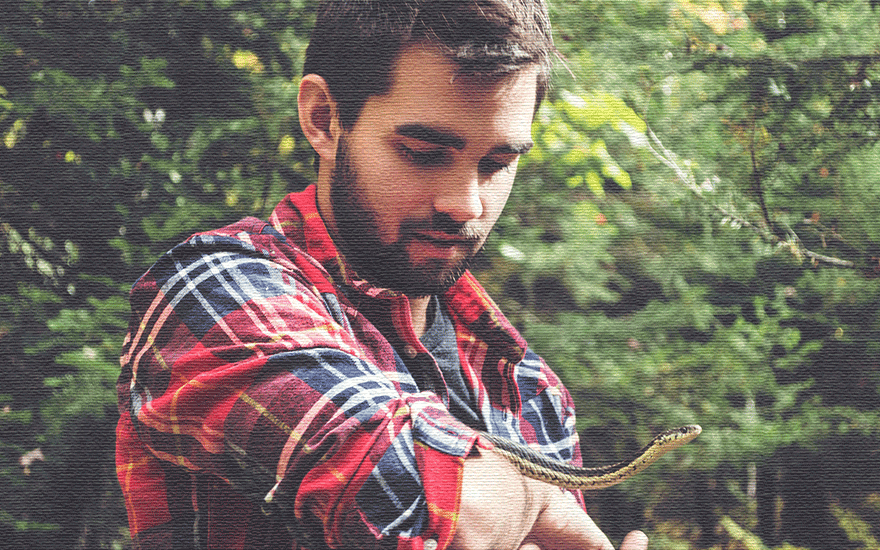
If you’ve seen a Hollywood Western movie, chances are you’ve seen the cut-and-suck technique of dealing with venomous snakebites. In reality, this doesn’t work. It opens the victim up to larger risk of infection by creating a bigger wound, a wound with bacteria-laden human spit inside. You should put a pressure dressing on and get to a doctor fast.
Unsafe
17. You can eat anything animals eat
Although we do have shared biology, there’s still a huge difference between humans and other animals. Some animals eat plants that are edible to humans, but these same animals can also eat plants that are dangerous to us. Birds are the worst animals to imitate. They eat a variety of berries, which would either nourish or kill us. Even squirrels, which normally eat nuts that are safe for humans, will periodically eat mushrooms and nuts that are toxic to humans. Just because an animal ate it doesn’t mean that you can.
Unsafe
18. Eating raw meat and seafood is safe
Not entirely true. There are survival shows out there with charismatic hosts eating some kind of live animal. Although it can be safe once in a while, it isn’t a technique that should be imitated. Raw animal meat can contain pathogens (bacteria, viruses, or other microorganisms) that can attack the human body, which results in an extended-onset condition that is difficult to diagnose. But what about sushi, you say? Plenty of folks eat raw fish and don’t seem to get sick. There are some raw seafood from saltwater that is safe for human consumption, but that’s only because their pathogens aren’t very compatible with our human body. The bacteria in oysters and the worms in sushi aren’t usually the right species to set up camp in a human host. Play it safe: before eating it, kill it and cook it.
Unsafe
MYTHS ABOUT NAVIGATION
19. With a GPS, you’ll never get lost/All I need is a GPS
You should always take a GPS unit with you into the backcountry, if you can afford one. Keeping a GPS unit with you gives you peace of mind. They are high-tech navigational tools that are easy to use, and more important, they always let you know where you are. You should know they aren’t a fail-safe against getting lost. If you misplace or break it, or the batteries die, you’d better have a map and compass (and the knowledge to use them) as a backup. Navigation isn’t just about knowing which way to go; it’s about knowing where you are as well.
Unsafe

Despite the many pop-culture references and cartoons, moss doesn’t always grow on the north side of trees. In my area, I actually find moss growing all around the trees, because it’s sunnier, colder, and wetter there (a good recipe for plant growth). Depending on the species of moss and the local climate, moss will grow where conditions are most suitable.
Unsafe
21. To find water, follow flying birds
There are some aquatic birds that rarely leave the water’s edge, however others roam far and wide for food. There are people that say geese fly toward water at dusk, which isn’t always the case. They could very well be flying toward a known clearing, to spend the night. We can’t rely on a bird to lead us anywhere, since we have no way of knowing a bird’s plan for the evening.
Unsafe
MYTHS ABOUT FIRE
22. Rubbing two sticks together makes a fire
Sure, friction is a way to create a flame, but you can’t just rub any two sticks together. Friction-fire techniques are ones that require practice, patience, and luck. It might look easy on television, but don’t assume you’ll be able to do it under pressure without a lot of practice. A trick I learned is to use a downward speed motion rather than force.
Wrong
23. Nose grease is the perfect fire starter
It is doubtful there is enough oil on the side of your nose to lubricate the top of a bow-drill spindle. I’ve never been that greasy, even as a teenager. Moreover, you’ll produce more sweat than grease on your face when you’re trying to build a friction fire, and sweat won’t help.
Wrong
24. Use a thumbnail to test wood
People have said that if you can dent a piece of wood with the nail on your thumb, the wood is suitable for starting a friction fire. This myth doesn’t seem to want to go away, but it doesn’t hold up. Some softer woods don’t work at all, and some denser woods are fine for friction fires. The thumbnail test working is a coincidence, not an affirmation.
Wrong
25. For the best friction fires, use hardwood
Oak is a great firewood, there is no doubt about it. This doesn’t mean it works for friction fire. In friction-fire drills or boards, oak’s ignition temperature and density are not useful. Instead, use non-resinous soft woods. Cottonwood, basswood, cedar, and willow will serve you much better than oak or other typical firewoods.
Wrong
26. Use an 8-sided bow drill
Using an octagonal drill became popular at some point in time. The idea is that the edges help the drill grip the bow string in more places, which results in more friction. But these sharp edges actually end up shredding the cord, causing it to vibrate horribly, while failing to grip the string any better than a round drill would.
Wrong

Nope. The chemicals used in match heads are vulnerable to moisture. Normal safety matches have a package that will have a striking surface that is made from a gritty material such as powdered glass mixed with phosphorus. The head of the match is similarly made with grit, but it also contains sulfur and an oxidizer. A small amount of heat is created when you strike a match, caused by the friction of the glass powder grinding together. This warmth converts the phosphorus into white phosphorus, which begins to catch fire. Match heads exposed to enough moisture simply won’t light, as the careful chemical balance is changed. It would be best to invest in some waterproof matches if you’re heading someplace wet. Or keep your matches in a waterproof container.
Wrong